
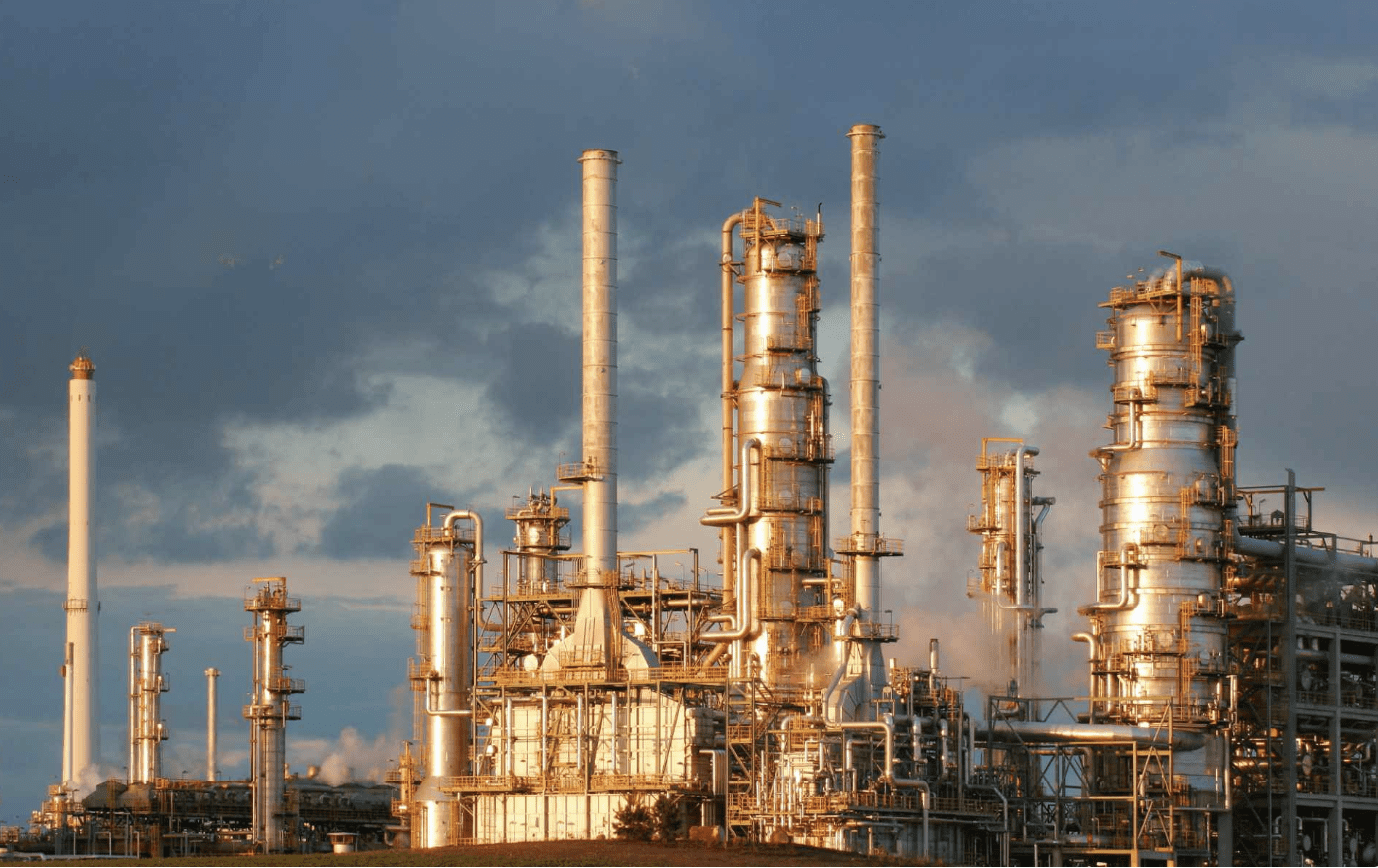

The heavy machinery has officially rolled onto the sands of Mboro. Following the definitive announcement by Cstar late last year, January 2026 marks the physical commencement of one of Cameroon’s most ambitious industrial projects: the Kribi Refinery and Petroleum Storage Terminal.
This project is not just a construction site; it is a strategic pivot for the nation’s energy independence. Since the devastating fire at the SONARA refinery in Limbe in 2019, Cameroon has been heavily reliant on imported refined fuel. The Kribi facility is the answer to that vulnerability.
The Scope of the Project
Located adjacent to the Deep Sea Port, the project spans a massive 250 hectares. The consortium, led by Cstar in partnership with international engineering firms, has broken ground on two main facilities:
- The Refinery: Designed with a processing capacity of 30,000 barrels per day. It is a modular refinery, a modern design that allows for quicker construction and scalability. It will prioritize the processing of domestic crude, such as the heavy crude from the Ebome field, which was previously difficult to process locally.
- The Storage Terminal: A massive depot with an initial capacity of 300,000 cubic meters. This will serve as a strategic reserve for diesel, gasoline, and Jet A1 fuel, buffering the country against global supply chain shocks.
Economic Shockwaves
The immediate impact on Kribi is visceral. “We are seeing an influx of specialized labor,” notes the Mayor of Kribi. “Hotels are full, rental markets are heating up, and the local catering and service industries are booming.”
Cstar estimates the creation of over 2,000 direct jobs during the construction phase and another 5,000 indirect jobs in the supporting ecosystem. Local youth employment initiatives have been integrated into the contract, requiring a percentage of the workforce to be drawn from the Océan division.
Looking Ahead
With a timeline set for completion in mid-2028, the refinery represents the “industrial anchor” the Kribi port zone needed. It transforms the port from a transit point into a production hub. For the average Cameroonian, the promise is simple but vital: stable fuel prices and an end to the shortages that have plagued the pumps in recent years. As the steel structures begin to rise this month, they carry the weight of a nation’s energy future.