
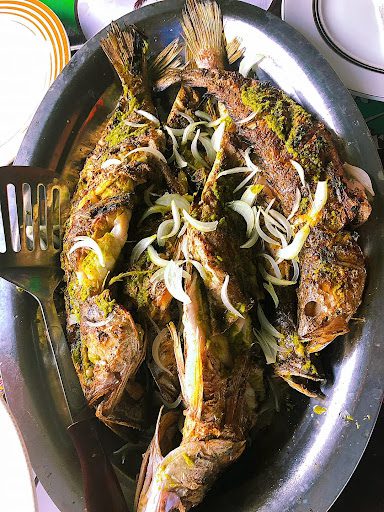
Introduction: The Culinary Soul of the Coast
Kribi is more than a destination; it is a flavor. If you ask any Cameroonian to describe the city of Kribi, they will likely mention the Lobe Waterfalls or the white sands, but their eyes will light up when they talk about the food. In the collective imagination of the country, Kribi represents the pinnacle of seafood gastronomy. It is where the Atlantic Ocean is most generous, and where the Batanga people have spent centuries perfecting the art of cooking with fire and spice.
In 2026, as Kribi evolves into a major industrial and tourist hub, its culinary landscape has expanded. You can now find high-end fusion dining sitting comfortably alongside the traditional wooden smokehouses that have lined the beaches for decades. However, the core remains unchanged: freshness. In Kribi, the distance between the fisherman’s hook and your fork is often measured in meters, not miles. This proximity to the source creates a quality of dining that simply cannot be replicated in Douala or Yaoundé.
This guide is your definitive 3,000-word roadmap to eating in the “Cité Balnéaire.” We will take you deep into the chaotic charm of the fish markets, explain the complex chemistry of the local marinades, and guide you to the exact tables where you can taste the soul of the South Region.
Chapter 1: The “Big Three” — Knowing Your Catch
To navigate a menu in Kribi (or a market stall), you must first understand the ocean’s offering. While there are dozens of species available, three dominate the culinary scene. Understanding the difference between them is the first step to ordering like a local.
1. Le Bar (The Sea Bass)
- The Profile: If Kribi had an official mascot, it would be the Bar. It is the undisputed king of the grill. The flesh is white, firm, and moderately fatty, which makes it forgiving; it stays moist even when subjected to the high heat of a charcoal grill.
- Why it’s Popular: Its skin crisps up perfectly, holding the marinade, while the meat flakes away in large, satisfying chunks. It has very few small bones, making it easy to eat with your hands—the preferred method in Kribi.
- Best Way to Eat It: Braisé (Grilled). Do not boil this fish or hide it in a soup. It demands fire.
2. Le Capitaine (The Hogfish)
- The Profile: The Capitaine is the “aristocrat” of the menu. It is often more expensive than the Bar. The meat is incredibly white, tender, and subtle. It lacks the “fishy” ocean taste that some find overpowering, making it the perfect entry point for travelers who are hesitant about seafood.
- Why it’s Popular: Its texture is almost buttery. It melts in the mouth.
- Best Way to Eat It: Because it is delicate, it is often served en papillote (steamed in foil with fresh vegetables) or in a rich, creamy sauce. However, a skilled griller can braise a Capitaine to perfection if they watch the heat carefully.
3. Les Gambas (The Giant Prawns)
- The Profile: Kribi is famous for its crustaceans. The Gambas found here are often the size of a small lobster. They are sweet, dense, and meaty.
- The Varieties: You will see “Crevettes Roses” (Pink Shrimp) which are smaller and sweeter, usually used in stews. Then you have the “Gambas Tigrées” (Tiger Prawns), striped and massive, which are the showstoppers.
- Best Way to Eat It: Grilled with garlic butter and parsley. The simplicity is key. A heavy tomato sauce often masks the natural sweetness of the meat.
The “Insider” Cuts
- La Sole: A flatfish with delicate flesh, usually fried or served Meunière (with browned butter and lemon) in the higher-end hotels.
- Le Machoiran (Catfish): A fatty, dark-meat fish that is the star of “Pepper Soup.” It has a robust flavor that can stand up to the spiciest broths.
- La Langouste (Spiny Lobster): The ultimate luxury. In Kribi, lobsters are often sold cheaper than in Douala, but they are still a premium item. They are best simply split in half and grilled.
Chapter 2: The Art of the Marinade (The Secret Sauce)
What separates “Kribi Style” fish from fish grilled anywhere else in the world? It is the marinade. This is not a simple lemon-and-salt affair. It is a complex chemical paste that acts as both a flavor enhancer and a protective coating during grilling.
The Holy Trinity of Spices
- Njangsa (Ricinodendron heudelotii): This is the secret weapon. Njangsa seeds come from a forest tree; they are dried and ground into a paste. They add a nutty, oily richness to the marinade that mimics the depth of peanut butter but with a wilder, earthier tone.
- Pèbè (African Nutmeg): This adds a woody, aromatic scent that hits the nose before the tongue. It cuts through the smell of the smoke.
- Rondelle (The Garlic Tree): Often called “Country Onion” or “Bobimbi,” this adds a garlicky pungency that is more powerful than standard garlic.
The “Sauce Jaune” vs. “Sauce Rouge”
- The Marinade: Before grilling, the fish is slathered in a yellow-green paste made of anise, garlic, ginger, and green chili. This infuses the meat.
- The Basting: During the grilling, the chef will constantly brush the fish with oil mixed with Njangsa to keep it moist.
- The Dip: The fish is served with a side of “Piment.” This is usually a red puree of Habanero or Scotch Bonnet peppers, onion, and oil. Warning: This sauce is nuclear. Dip the very tip of your fork in it first to test your tolerance.
Chapter 3: The Ngoye Fish Market Experience
You cannot write a guide to Kribi without dedicating a chapter to Ngoye. This is not a restaurant; it is a theater of commerce and cuisine. Located right on the beach, it is the beating heart of the city’s food scene.
The Arrival
When you arrive at Ngoye, you will be swarmed. “Bonsoir patron, le poisson est frais!” (Good evening boss, the fish is fresh!). Dozens of women (“Bayam-Sellams”) will vie for your attention.
- Strategy: Do not rush. Smile, greet them, but keep walking. Survey the stalls. Look for the fish that still has a “slime” coat (a sign of freshness) and bright, bulging eyes. Avoid fish that looks dry or sunken.
The Negotiation
There are no price tags in Ngoye.
- The Weigh-In: You select your fish, and it goes on a scale.
- The Price: As of 2026, a good-sized Bar (1.5kg) might cost around 6,000 to 8,000 CFA depending on the season. Gambas are priced by the kilo (approx. 15,000 – 20,000 CFA).
- The Haggle: It is expected that you counter-offer. If she says 8,000, offer 5,000. You will likely settle at 6,500. It is a game, not a fight. Keep it lighthearted.
The “Maman” System
Once you buy the raw fish, you don’t take it home. you hand it to a “Roaster” (Braiseuse).
- The Service: For a fee (usually 2,000 CFA), she will scale, gut, clean, spice, and grill the fish for you. She also provides the sides (plantains, miondo) and drinks.
- The Wait: This is the best part. You sit on a plastic chair with your feet in the sand, drinking a cold “33 Export” or “Castel” beer, watching the ocean while the smell of your specific fish grilling wafts over you.
Chapter 4: The Sides — Miondo, Bobolo, and Plantain
The fish never comes alone. The starch you choose changes the meal entirely.
1. Le Miondo
This is the classic Batanga accompaniment. Miondo is fermented cassava paste, wrapped in a leaf and steamed into a thin, noodle-like stick.
- Why choose it: It has a sour, fermented funk that cuts through the richness of the fish oil. Its texture is gummy and chewy. It is the perfect vessel for scooping up sauce.
2. Le Bobolo
Think of Bobolo as Miondo’s big brother. It is the same fermented cassava but wrapped in a much thicker, larger log. It is denser and heavier.
- Why choose it: If you are extremely hungry. One Bobolo is a meal in itself.
3. Fried Plantains (Alloco/Missolè)
Ripe yellow plantains, sliced and deep-fried until caramelized.
- Why choose it: If you have a sweet tooth. The sweetness of the plantain contrasts beautifully with the spicy, salty fish. It is the “safe” choice for tourists.
4. Fried Yams/Sweet Potatoes
Often found in street stalls, these are thicker and starchier. They are excellent for soaking up the “Piment” sauce without burning your mouth.
Chapter 5: Dining Tiers — Where to Eat in 2026
Kribi offers a spectrum of dining options. Here is a curated breakdown by vibe and budget.
Tier 1: The “Feet in the Sand” Authentic (Budget: 3,000 – 8,000 CFA)
- Ngoye Beach Stalls: As described above. Raw, loud, and incredibly delicious. This is where you go for the taste, not the tablecloths.
- “Au Plaisir du Goût” (The Landing): Near the boat landing, there are small shacks that serve “Bouillon” (Fisherman’s Soup). This is a spicy, clear broth made with fresh catch, ginger, and chili. It is traditionally eaten as a breakfast or a hangover cure.
Tier 2: The “Maquis” & Mid-Range (Budget: 8,000 – 15,000 CFA)
- Chez Magni: A legendary spot that has upgraded from a shack to a proper covered terrace. The service is faster than the beach, and they have proper toilets, but the food retains that authentic smoke flavor.
- Le Calli: Known for its consistency. If you want a grilled fish that tastes exactly the same every time, this is the spot. They also offer excellent grilled chicken for the non-pescatarian.
Tier 3: The “White Tablecloth” Experience (Budget: 20,000 – 45,000 CFA)
- The Restaurant at Ilomba: Here, the fish is served filleted. The sides might include a gratin dauphinois (potato bake) or sautéed vegetables. The wine list is extensive, featuring French and South African imports. This is for a romantic date or a business closing dinner.
- La Marine at Marina: Overlooking the river mouth, this spot specializes in European-style seafood. Think Lobster Thermidor or Carpaccio of Grouper. It caters to the expat community and offers a break from the heavy spices of local cuisine.
Chapter 6: Drinks Pairing — What to Sip
You cannot separate the food from the drink.
The Local Beers
Cameroonian beer is world-class.
- 33 Export: The standard beach beer. Crisp, light, and refreshing.
- Castel: Malty and slightly heavier.
- Guinness: Cameroon is one of the largest consumers of Guinness in the world. The “Foreign Extra Stout” (7.5% alcohol) is often drunk with spicy fish. The bitter, chocolatey stout notes pair surprisingly well with the hot chili.
Palm Wine (Matango)
If you are lucky, you might find a vendor selling Matango. This is the sap of the palm tree, tapped fresh in the morning.
- Taste: It is sweet, milky, and slightly fizzy from natural fermentation.
- Warning: It continues to ferment throughout the day. In the morning, it is like a soft drink. By evening, it is a potent alcohol. Drink with caution.
Natural Juices
- Foléré (Bissap): Hibiscus flower juice. Tart and sweet, like cranberry.
- Corossol (Soursop): A thick, creamy white juice that tastes like a mix of pineapple and strawberry. It is excellent for cooling down the palate after a spicy bite.
Chapter 7: Seasonal Eating
Just like fruits, fish have seasons. In 2026, eating seasonally is not just cheaper; it is a sign that you know what you are doing.
- The Dry Season (Dec-Feb): This is the best time for Bar and Sole. The waters are calm, and the catch is abundant.
- The Rainy Season (July-Oct): This is Gambas (Prawn) season. The river levels rise, flushing nutrients into the ocean, which fattens up the crustaceans. If you visit in August, the prawns are at their absolute peak size and sweetness.
- The “Kanga” Season: Certain tuna-like species migrate past Kribi at specific times. Ask the “Maman” what is “in season” (C’est la saison de quoi?). She might steer you away from the expensive Bar and toward a Mackerel or Carangue that is fresher and half the price.
Chapter 8: Hygiene and Safety Tips for the 2026 Traveler
One of the biggest fears for international travelers is getting sick. Kribi’s food scene is generally safe, provided you follow a few rules.
- Look for the Smoke: Eat where the grill is active. You want your fish to come straight off the fire onto your plate. Do not eat fish that has been sitting in a display cabinet for hours.
- Bottled Water Only: While Kribi’s municipal water has improved, it is safer for tourists to stick to bottled water (Tangui or Supermont). Use it even for brushing your teeth.
- Peel It or Cook It: For fruits and salads, if you can’t peel it (like a banana) or it isn’t cooked, be cautious.
- Hand Washing: All “Maquis” will provide a “Lave-Mains” (a bowl of water and soap) before the meal. Use it. It is not just hygiene; it is a ritual.
Conclusion: A Table Waiting for You
Eating in Kribi is a sensory engagement. It is the sound of the waves crashing at Ngoye, the smell of woodsmoke clinging to your clothes, the sticky heat of the equatorial night, and the explosion of spice on your tongue.
It is a place where a CEO from a multinational logistics firm and a local fisherman might sit at adjacent tables, both eating the exact same meal with their hands, united by the universal appreciation of a perfectly grilled fish.
In 2026, Kribi has built the roads, the hotels, and the port. But its soul remains in the njangsa, the piment, and the fire. When you come to Kribi, come hungry.
Bon Appétit.