
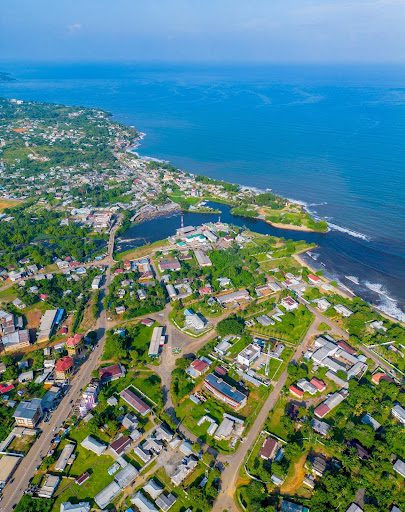
Introduction: The Riviera of Central Africa
Kribi is no longer a destination you simply visit; it is a destination you experience with all five senses. In 2026, the “Cité Balnéaire” has transcended its reputation as a local weekend getaway to become a global coastal frontier. Located in the South Region of Cameroon, Kribi sits at a unique geographical crossroads: where the ancient, emerald canopy of the equatorial rainforest literally dips its roots into the salt spray of the Atlantic Ocean.
To the south, the massive cranes of the Kribi Deep Sea Port—the most modern maritime hub in the region—hum with the energy of global trade. To the north, the ancient silence of the Lobe Waterfalls and the white-sand beaches of Londji offer a sanctuary of profound stillness. This contrast—the collision of a high-tech industrial future and a deep, ancestral past—is what makes Kribi the most compelling destination in Central Africa today.
Whether you are a “Bleisure” traveler—balancing maritime logistics with a need for coastal air—or an international explorer seeking the raw, unfiltered beauty of the Gulf of Guinea, this is your definitive guide to maximizing 48 hours in paradise.
Chapter 1: The Modern Kribi Identity
A City in Motion (2026 Context)
As we move through 2026, Kribi is undergoing a renaissance. The completion of the Phase II expansion of the Port Autonome de Kribi (PAK) and the finalization of the high-speed highway from Edéa have slashed travel times and opened the floodgates for investment. However, despite the influx of capital and the rising skyline of boutique hotels, Kribi has managed to protect its “Slow Living” philosophy.
The locals—primarily the Batanga, Mabi, and Yassa peoples—remain the guardians of the coast. Their culture of hospitality (Mbolo) ensures that even as the city grows, it never loses its human scale. In Kribi, you are never just a tourist; you are a guest of the ocean.
The Climate: Timing Your Escape
Kribi follows a tropical equatorial rhythm, characterized by high humidity and consistent warmth (averaging 26°C to 30°C).
- The Great Dry Season (December – February): The peak of the tourism calendar. This is when the Atlantic is at its calmest, the skies are a reliable azure, and the nightlife at the Ngoye beach stalls reaches its fever pitch.
- The Mango Rains (March – May): A favorite for photographers. Violent, short-lived afternoon thunderstorms are followed by intense golden light. The air is remarkably clear, and the vegetation is a vibrant, neon green.
- The Rainy Season (September – November): While beach lounging is limited, this is the best time for eco-tourists. The Lobe River is at full volume, making the waterfalls a terrifyingly beautiful display of nature’s power.
Chapter 2: Day 1 — The Elemental Journey
08:00 – The Lobe Waterfalls: A Global Rarity
Your 48-hour clock begins at the Chutes de la Lobé, located approximately 7km south of the city center. This is one of the very few places on Earth where a river cascades directly into the sea.
- The Science: The Lobe River, filtered by the dense rainforests of the interior, reaches the coast and tumbles over a series of volcanic rock tiers. The meeting of the fresh water and the salt-water surf creates a unique ecological zone and a constant, refreshing mist.
- The Experience: Do not merely view the falls from the shore. For approximately 5,000–10,000 CFA, hire a local guide for a Pirogue excursion. They will paddle you to within meters of the falling water.
- Cultural Note: The falls are a sacred site. The Batanga use this location for the Jengu (water spirit) initiation rites. As you feel the spray on your face, remember that for the locals, this is a cathedral, not just a tourist attraction.
12:00 – The Gastronomy of Ngoye
By midday, head back toward the town center to the Ngoye district. This is the culinary soul of Kribi.
- The Fish Market: Walk through the market and select your own lunch. Look for the Bar (Sea Bass) or the massive Gambas (Prawns).
- The Ritual: Hand your selection to one of the “Braiseuses” (grill masters). Your fish will be scored, marinated in a complex blend of njangsa seeds, ginger, and garlic, and grilled over local hardwoods.
- The Sides: You must order Miondo—thin, fermented cassava sticks that are chewy and perfect for soaking up the spicy pepper sauce.
15:00 – Afternoon at Tara Plage
Spend your afternoon at Tara Plage, often cited as the most beautiful stretch of sand in the country. In 2026, this area has become the hub for eco-friendly beach clubs.
- Activities: This is the best place for a long, meditative walk. The sand is fine and pale, and the water is shallow enough for safe swimming.
- Relaxation: Find a “Boukarou” (thatched hut), order a fresh coconut, and watch the local fishermen mend their nets in the distance.
Chapter 3: Day 2 — History, Industry, and Heritage
09:00 – The Industrial Marvel: Port Autonome de Kribi (PAK)
Start your second day by driving south to witness the engine of Cameroon’s future. The Kribi Deep Sea Port is a marvel of 21st-century engineering.
- The Vantage Point: While security is tight, the public observation areas allow you to see the massive gantry cranes and Neo-Panamax vessels. It provides a sobering and impressive contrast to the natural beauty of the previous day.
12:00 – Grand Batanga: The Ancestral Home
Continue south to Grand Batanga, a village of immense historical weight.
- The Museum: Visit the local museum to learn about the Batanga exile of 1914. It is a story of resilience that defines the local population.
- The Lighthouse (Phare de Kribi): Built by the Germans in 1906, this red-and-white brick structure is the city’s most iconic landmark. In 2026, the surrounding gardens have been renovated into a beautiful spot for quiet reflection.
16:00 – The Kienké River Cruise
As the heat of the day breaks, take a slow boat trip up the Kienké River.
- Wildlife: Keep your eyes peeled for kingfishers and, if you are lucky, small monkeys in the overhanging branches.
- The Vibe: The river is dark and mirror-like, reflecting the jungle canopy. It is a stark difference from the crashing waves of the ocean.
Chapter 4: Logistics and Insider Tips for 2026
How to Get There
- From Douala: The drive is now roughly 2.5 hours on the modern highway. Private car hire is the most comfortable (approx. 40,000–60,000 CFA per day), but the VIP Bus services (Finexs or Buca) are efficient and affordable (approx. 5,000 CFA).
- From Yaoundé: The journey is longer (4–5 hours). It is best to travel during the day to enjoy the scenic transitions from the plateau to the coast.
Where to Stay
- Luxury: Hotel Ilomba or Les Gîtes Kribi offer high-end amenities with traditional architectural styles.
- Boutique: Tara Plage and several new 2026 eco-lodges offer a more intimate, “nature-first” experience.
- Business: Hotels near the Quartier Administratif offer better Wi-Fi and proximity to banks and government offices.
Currency and Connectivity
- Money: Kribi is a cash-heavy town. While larger hotels accept cards, you will need CFA for the fish markets, taxis, and pirogue guides. The BICEC and Afriland banks in the center are the most reliable for international withdrawals.
- Internet: 2026 has seen a surge in 5G coverage. MTN generally offers the strongest signal along the southern beaches.
Chapter 5: Ethical and Safe Travel
- Respect the Water: The Atlantic has strong rip tides. Only swim in designated areas like Tara or Londji, and always ask locals about the current conditions.
- Photography: Always ask for permission before photographing people, especially during traditional ceremonies.
- Supporting the Community: Choose local guides and buy crafts directly from the artisans near the lighthouse. This ensures your tourism dollars stay within the community.
Conclusion: The Kribi State of Mind
Forty-eight hours in Kribi is enough to fall in love, but not enough to see it all. It is a city that demands you slow your heart rate to match the rhythm of the tide. In 2026, Kribi represents the best of what Cameroon can be: a place that honors its history and environment while boldly building its future.
You will leave Kribi with sand in your shoes and the scent of wood-smoke in your clothes, but more importantly, you will leave with a piece of the Atlantic’s soul.